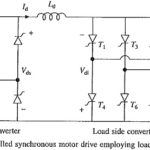
Self Controlled Synchronous Motor Drive
Self Controlled Synchronous Motor Drive: A Self Controlled Synchronous Motor Drive employing a load commutated thyristor inverter is shown in Fig. 7.10. In large power drives wound field synchronous motor…
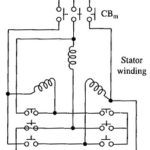
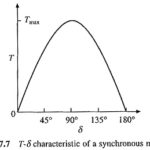
Operation of Synchronous Motor: Operation of Synchronous Motor - For any speed other than synchronous speed, the relative speed between air gap flux wave and the rotor is not zero.…
Starting of Induction Motor Drives: Starting of Induction Motor Drives arrangement is chosen based on the load requirements and nature of supply (weak or stiff). It may be required to…
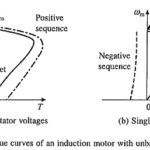
Unbalanced Source Voltages Operations: As Supply voltage may sometimes become unbalanced, it is useful to know the effect of Unbalanced Source Voltages Operations on motor performance. Further, motor terminal voltage…
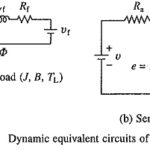
Transient Analysis of DC Motor: Starting, braking, reversing speed changing and load changing are the Transient Analysis of DC Motor which commonly occur in an industrial drive. One is interested…
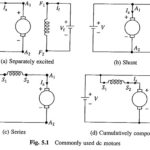
Types of DC Motor: The commonly used Types of DC Motor are shown in Fig. 5.1. In a separately excited motor, the field and armature voltages can be controlled independent…
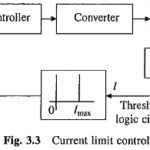
Current Limit Control of Drives: Current Limit Control of Drives scheme of Fig. 3.3 is employed to limit the converter and motor current below a safe limit during transient operations.…
Load Equalisation in Electrical Drives: Load Equalisation in Electrical Drives - In some drive applications, load torque fluctuates widely within short intervals of time. For example, in pressing machines a…