What is a Digital Instrument?
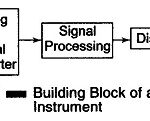
What is a Digital Instrument?: Digital instrument are rapidly replacing their analog counterparts. The parameters of interest in a laboratory environment are (i) voltage (ii) current (iii) power (iv) frequency,…
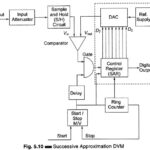
Successive Approximation Type DVM: The Successive Approximation Type DVM principle can be easily understood using a simple example; the determination of the weight of an object. By using a balance…
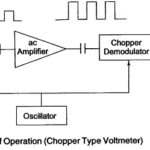
Chopper type DC Amplifier Voltmeter (Microvoltmeter): Chopper type DC Amplifier Voltmeter the dc input voltage is converted into an ac voltage, amplified by an ac amplifier and then converted back…
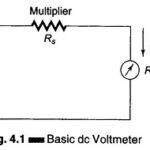
DC Meter: The most commonly used dc meter is based on the fundamental principle of the motor. The motor action is produced by the flow of a small amount of…
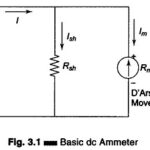
DC Ammeter: DC Ammeter - The PMMC galvanometer constitutes the basic movement of a dc ammeter. Since the coil winding of a basic movement is small and light, it can…
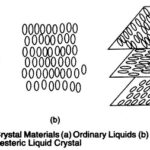
What is Liquid Crystal Display (LCD)?: Liquid Crystal Display (LCD) are passive displays characterized by very low power consumption and good contrast ratio. They have the following characteristics in common.…
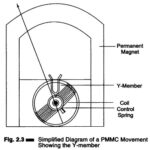
Practical PMMC Movement: The basic Practical PMMC Movement (also called a D'Arsonval movement) offers the largest magnet in a given space, in the form of a horse-shoe, and is used…
Difference Between SVC and Statcom: Difference Between SVC and Statcom may be noted that in the normal linear operating range of the V-I characteristic and functional compensation capability of the…