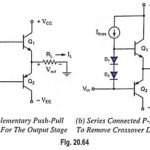
Output Stage of an Op Amp and its Voltage Transfer Characteristics
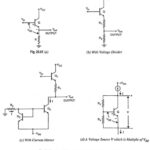
Output Stage of an Op Amp and its Voltage Transfer Characteristics: The output stage of an op amp is another requirement which should have very small output impedance and provide…
Voltage Level Translator (Level Shifter): Voltage Level Translator (Level Shifter) is usually an emitter follower circuit which is used to shift the dc level at the output of the intermediate…
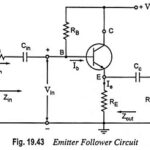
Emitter Follower Circuit - Operation, Advantages and Applications: Emitter Follower Circuit is also a negative current feedback circuit. This circuits exhibits a large input impedance, a small output impedance, and…
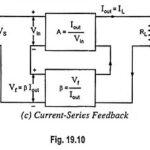
Current Series Feedback Amplifier Circuit: Current Series Feedback Amplifier Circuit is also known as series-derived series fed feedback. In such a feedback circuit, a part of the output current is…
Characteristics of Negative Feedback Amplifiers: The Characteristics of Negative Feedback Amplifiers are given below Stabilization of Gain With Negative Feedback: The variations in temperature, supply voltages, ageing of components or…
Advantages of Negative Feedback Amplifier: There are numerous advantages of negative feedback amplifier which outweigh its only drawback of reduction in gain. Among the advantages are : 1. Gain Stability:Â …
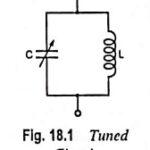
Tuned Amplifiers - Definition, Classification and Advantages: Amplifier amplifying a signal of specific frequency or narrowband of frequencies is known as tuned amplifier. Tuned amplifiers are mostly employed for amplification…
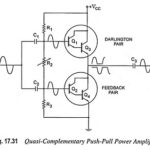
Quasi Complementary Push Pull Amplifier: In practical power amplifier circuits, it is preferable to employ NPN transistors for both high-current output devices. As the push-pull connection needs complementary devices, a…